Badbox 3.0 returns with 40 billion fraudulent ad requests a day
Cheap Android TV boxes and tablets infected with BADBOX 3.0 drove record ad fraud and were enrolled as residential proxy exit nodes without their owners' knowledge.
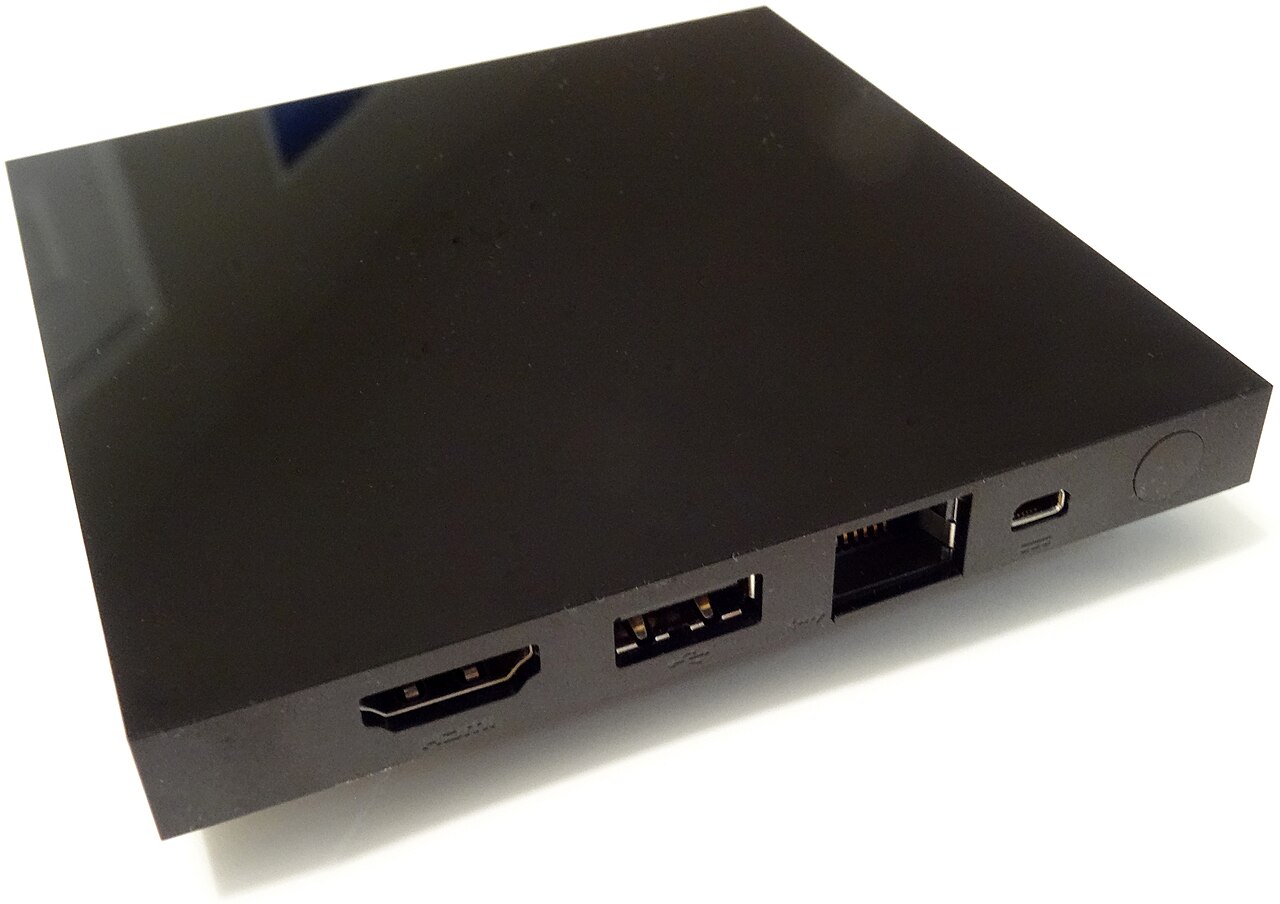
Cheap, off-brand Android devices infected with the BADBOX malware have resumed ad fraud on what researchers describe as the largest documented scale by daily bid volume, generating a reported 40 billion fraudulent advertising bid requests a day at their peak. The third iteration of the botnet, BADBOX 3.0, was uncovered and disrupted by researchers at HUMAN Security's Satori threat intelligence team, who told BleepingComputer the campaign accounted for more than 4% of all connected TV traffic observed by the Human Defense Platform.
The fraud is only half the problem. A separate module quietly enrolls infected devices as exit nodes in one of eleven residential proxy networks, so criminals elsewhere can route account takeover attempts, brute-force attacks and malware distribution through what looks to defenders like an ordinary household internet connection. Advertisers pay for video ads that nobody watched, and fraud teams see login and payment attacks arriving from living rooms.
The devices themselves are the familiar cast: low-cost streaming boxes, tablets and phones running the Android Open Source Project (AOSP) without Google's certification or its protections, built in China and shipped worldwide. Infosecurity Magazine reported that Satori characterised them as "low-cost, off-brand, uncertified". Owners generally have no idea, because the device works exactly as advertised while it does its second job.
What to do now
The malware is usually present before the box is unwrapped, so remediation is mostly a purchasing and network question rather than a patching one.
- Buy only Play Protect certified Android devices from manufacturers you recognise, and make sure Play Protect is switched on. Satori's advice is to "choose devices from familiar brands, check whether a device is Play Protect certified, download applications only from official marketplaces, and treat a device that behaves strangely as a device worth retiring".
- Treat specific sales pitches as warnings. The FBI's public service announcement on BADBOX 2.0 lists streaming devices advertised as "unlocked" or offering free content, instructions to disable Google Play Protect, unfamiliar app marketplaces and IoT brands nobody has heard of as indicators worth acting on.
- Inventory the connected devices on networks you are responsible for, including the ones nobody considers IT equipment: projectors, digital picture frames, infotainment units, break-room streaming sticks. Watch for traffic those devices have no business generating.
- If you work on the advertising side, check whether inbound ad requests match the
sellers.jsonandapp-ads.txtrecords of the apps they claim to come from. The fraudulent apps have no relationship with the identities they borrow and do not appear in those files. - If you defend accounts or payments, expect residential IP addresses to be a weak signal of legitimacy. For one abused app identity, Satori found roughly 40% of requests overall, and 80% of United States requests, exiting through residential proxies.
- Retire rather than clean. Satori's guidance is to treat a device that behaves strangely as one worth retiring, and antivirus coverage of the newer modules was effectively absent when researchers analysed them.
- Report intrusions to the FBI's Internet Crime Complaint Center at ic3.gov if you are in the United States.
Technical details
BADBOX first appeared in early 2023, found on a T95 Android TV box bought from Amazon, as a firmware backdoor on uncertified hardware; HUMAN observed more than 74,000 such devices. In December 2024 Germany's cybersecurity agencies warned that tens of thousands of devices were infected. In March 2025 HUMAN and the Shadowserver Foundation disrupted BADBOX 2.0, severing more than 500,000 devices from their control servers, while Google pulled 24 malicious apps from Google Play.
Google subsequently sued the operators in federal court in New York, working with HUMAN Security and Trend Micro, and said BADBOX 2.0 had reached more than 10 million uncertified AOSP devices by April 2025, across 222 countries and territories. Google's Ad Traffic Quality team updated Play Protect to block BadBox-associated apps automatically. The FBI issued its alert on 5 June 2025, noting that devices are compromised either before purchase or during setup, when a required app arrives with a backdoor attached.
BADBOX 3.0 recycles components from both earlier generations. Infected devices contact a command-and-control server that returns a catalogue of fraud modules along with where to fetch them. Those payloads sit in public code repositories, mirrored to a second hosting platform, an operator-run file server and, for some modules, a content delivery network, with fallback locations baked into every module record. HUMAN's report describes capability "mirrored across hosting platforms, a mainstream CDN, and a proxy built to slip past network blocks". Help Net Security reported that the operators also stand up a GitHub proxy of their own, which keeps payloads flowing even where the repositories themselves are blocked at the network edge. Over a single month, one repository's content delivery statistics recorded 367,023 requests and roughly 482.7 GB of data served, a figure Satori treats as a floor rather than a measure: that is one repository and one of four delivery routes.
The ad fraud runs video advertisements in windows the owner never sees, with each request dressed up in the identity of a legitimate streaming app. Satori also found fraudulent server-side ad insertion requests, claiming a server had slipped an advert into a viewer's stream when neither the viewer's device nor the playback existed. Some of this traffic is routed through residential proxies to defeat anti-abuse filtering. At its height the operation ran to roughly 40 billion bid requests a day, which HUMAN said was "more than three times the volume of the previous record holder, VASTFLUX", exceeding the last five years of Satori investigations combined.
Ten of the eleven proxy networks are commercial services. The eleventh, PXYEDGE, is assessed to be the residential proxy service IpMoYu under a new name, previously tied to BADBOX 2.0 and operated by the same actors. Its domain was registered on 15 March 2026 and it advertises around 200,000 nodes, though monitoring showed unique connections peaking near 340,000.
Satori links the module catalogue to TXCZ, a Chinese electronics manufacturer, through shared domains, modules that check for TXCZ-specific build properties, a TXCZ launcher with system-level permissions preinstalled on its devices, and a repository maintainer.
On the disruption side, HUMAN took part in Google's takedown of XCPE, a botnet tied to BADBOX 3.0 by shared command-and-control domains, which had more than a million infected devices in over 200 countries before the operation; that effort removed several domains BADBOX 3.0 relied on. One malware repository was taken down, and HUMAN's platform now filters the associated ad traffic. HUMAN expects the operators to adapt, as they have after every previous disruption. How many devices are currently infected has not been stated.